default
“Our goal is to prepare young people not only for university, but for life as thoughtful and kind global citizens”
St. Julian’s School has developed its identity around a holistic vision of education that combines academic learning with the personal and civic development of its students. For Perspetiva Atual, the school’s head, Paul Morgan, explains how this philosophy continues to shape the institution’s approach to learning. Initiatives such as the Model United Nations, Eco-Schools and the Community Engagement Programme help strengthen students global, environmental and social awareness, preparing them not only for university, but also for life.
Perspetiva Atual: Founded in 1932, St. Julian’s School, located between Carcavelos beach and Lisbon, is guided by the mission “Learning together to shape a brighter future”. What is the pedagogical philosophy that continues to guide this institution?
Paul Morgan: Since its foundation, St. Julian’s has been guided by a clear philosophy: education should nurture the whole person. Academic excellence is important, but it must go hand in hand with sparking curiosity, character development and a sense of responsibility towards others. We aim to create a school where the children feel appropriately challenged and supported, where they develop critical thinking skills, resilience and a genuine love of learning. Ultimately, our goal is to prepare young people not only for university, but for life as thoughtful and kind global citizens.
PA: Students are encouraged to reach their full potential in an environment that inspires and supports them, while instilling in them a love of learning and wisdom. What ongoing projects contribute to your development that you would like to highlight?
PM: One of our priorities is to ensure that learning remains relevant and forward-looking. There are several initiatives that really reflect this approach. For example, programmes such as Model United Nations, which give students the opportunity to engage with global issues, develop their public speaking skills and learn how to debate and collaborate. Our involvement in Eco-Escolas also encourages children to take an active role in sustainability and environmental responsibility within the school community. Alongside this, our Community Engagement Programme that connects our young with local organisations and projects, helping them understand the importance of service and social responsibility. Together with ongoing work supporting our children to have healthy lives, these initiatives help students develop not only academically but also as active and engaged members of society.
PA: The school offers different educational paths, the English Curriculum and the Bilingual Curriculum. How is the path that best suits your needs and interests defined?
PM: Both pathways are designed to provide a rigorous education while responding to the diverse backgrounds of our families. The English Curriculum broadly follows the National Curriculum for England, while the Bilingual Curriculum integrates Portuguese and international elements, allowing students to develop strong academic and linguistic competencies in both languages. In the earlier years, families choose the pathway that best aligns with their linguistic background and educational goals.
What is important to note is that both pathways later converge, with all students following the same academic route through GCSEs and then the International Baccalaureate Diploma Programme (DP) or Career-related Programme (CP) in the final years. These paths ensure a shared academic experience while still allowing the children to benefit from different foundations earlier in their schooling.
“The strong bonds in our community are one of the defining features of the school”
PA: Regarding the bilingual programme, which integrates the teaching of Portuguese and English, what added value do students find when simultaneously developing two language skills?
PM: Learning in two languages offers much more than linguistic proficiency. It strengthens cognitive flexibility, communication skills and cultural awareness. Our bilingual students move naturally between Portuguese and English contexts, which gives them a deeper understanding of both local and global perspectives. In a world that increasingly values intercultural competence, this ability becomes a powerful asset both academically and professionally.
PA: You welcome students from more than 60 nationalities. Do you believe that this cultural diversity enriches students’ coexistence, learning and civic education?
PM: Without a doubt. The strong bonds in our community are one of the defining features of the school. When children learn alongside peers from more than 60 nationalities, they are constantly exposed to different perspectives, traditions and ways of thinking. This naturally fosters respect, empathy and open-mindedness. It also prepares students to navigate and contribute to an increasingly interconnected world.
PA: For the final years, St. Julian’s offers the IB Diploma Programme (DP) and the IB Career-related Programme (CP). What skills and experiences does each option provide, and how do they help students prepare for the future?
PM: Both programmes offer valuable but slightly different pathways. The IB Diploma Programme provides a rigorous academic experience that encourages independent research, analytical thinking and intellectual curiosity, preparing students for leading universities worldwide. The IB Career-related Programme combines academic study with practical, career-focused learning, allowing students to explore specific professional interests while developing essential skills such as collaboration, communication and applied problem-solving. Together, these options ensure that students can pursue a path that best reflects their strengths and aspirations.
PA: You have been teaching children and young people for almost a century, and, undeniably, extracurricular activities enhance their success. How do you help them strengthen skills and explore different interests and talents?
PM: We see extracurricular activities as an absolute essential part of education. Sport, music, drama, debate, service initiatives and numerous clubs allow children to discover new passions and develop talents that may not emerge in the classroom alone. These experiences also help build confidence, teamwork, leadership and resilience. In many cases, they are where students discover passions that last a lifetime.
PA: For the fourth year in a row, St. Julian’s has been recognised as one of the top 10 private schools in Europe by Spear’s and as one of the top 15 international schools in Europe by Carfax. In your opinion, what are the elements that most contribute to this performance?
PM: Recognition like this is always the result of collective effort. It reflects the commitment of our teachers and staff, the strength of our academic programmes and the engagement of our students and families. We are also fortunate to have a vibrant international community and a culture that values continuous improvement. Maintaining high standards while constantly evolving is what keeps the school relevant and forward-looking.
“Academic excellence is important, but it must go hand in hand with sparking curiosity, character development and a sense of responsibility towards others”
PA: Regarding future plans, what does St. Julian’s still need to achieve?
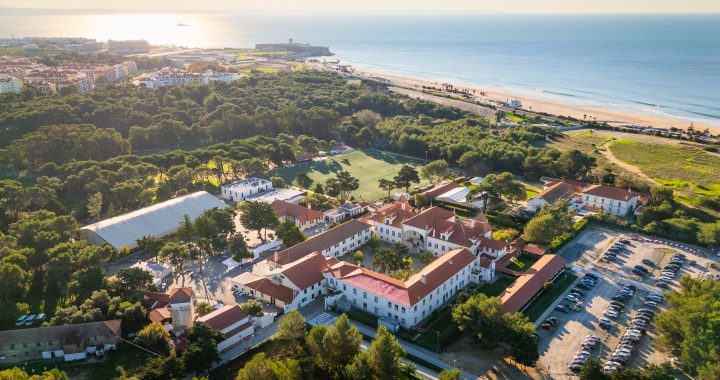
PM: After more than 90 years, our focus remains on strengthening everything that we do while also staying true to our values. Our €50 million building initiative, named the Second Century Project, is among the most exciting developments shaping the school’s future. The works start this summer. The aim of this project is to create and adapt new learning spaces specifically designed for contemporary educational needs, while ensuring they are future-proof and preserving the unique character and charm of our historic buildings.
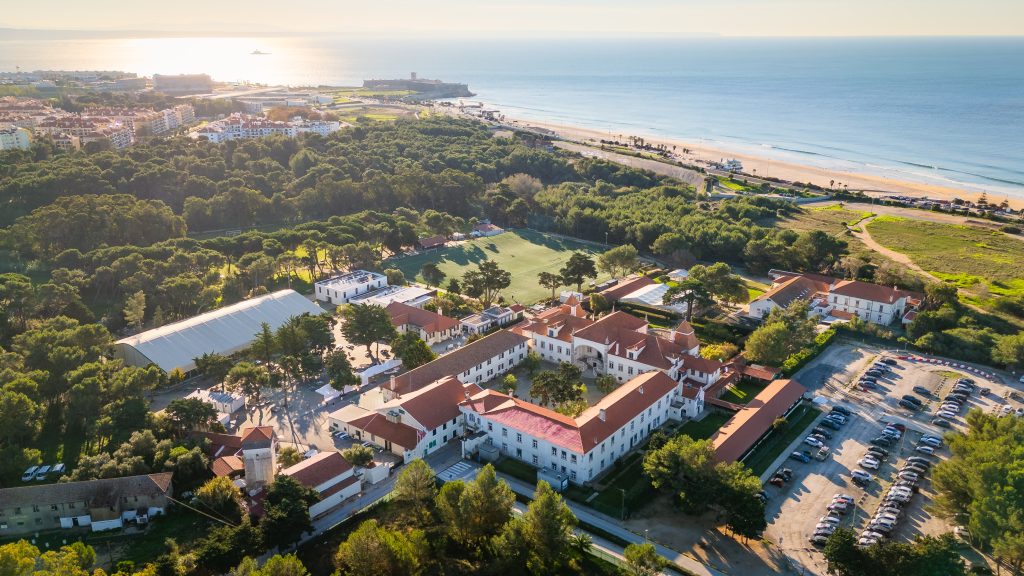
At the same time, we are very committed to protecting and expanding the green areas on our grounds, which are such an important part of the spaces our students learn in every day. Ultimately, the goal is to ensure the school is well-prepared for the next century.
About Post Author